With Perth well-regarded as the sunniest city in Australia, many homeowners are looking to save on energy costs and reduce their carbon footprint with solar panels. With many options available at the moment, finding the right solar panels and solar power system for your home can be confusion.
Installing solar panels, and more importantly, the right number and type of solar panels, is an important factor. Understanding your home’s energy requirements, evaluating the different types of solar panels, and considering long-term performance are all crucial factors in ensuring that your investment pays off.
In this article, Ford & Doonan Solar will break down a number of key considerations to make when shopping for solar panels, the pros and cons of each panel types, and the importance of efficiency and durability so that you can make the best decision possible for your solar PV system.

Before selecting solar panels for your home, it’s essential to assess your electricity usage to determine the right solar system for your needs. Every household consumes energy differently, and understanding your consumption patterns will help you choose a solar power system that maximises efficiency and savings.
Start by considering your average monthly energy consumption. This is displayed on your regular electricity bill, and is often displayed as a total kilowatt-hour (kWh) usage. Reviewing and understanding your monthly energy consumption will help determine how much energy your rooftop solar system will have to generate to meet the needs of your home. To have a fully offset solar power system, knowing the exact energy usage across the time period is important.
To start, determine your peak usage times. Are you using more electricity during the day or night? This is a major consideration for the optimal design of your solar power system. If your energy usage is more during the day, the roof-mounted solar array will produce most energy, as it will work during the sunlight hours. Conversely, if your energy expenditure is higher during the night, you might need to explore the option of including a battery storage system. Solar batteries give you the option to save energy produced during the day to use at night, this way your reliance on the grid diminishes and your system improves.
Another aspect to think about is whether you intend to entirely offset your energy costs or just decrease them. While a few homeowners are adamant about being completely energy autonomous by producing enough solar energy to cater to all their electrical requirements, others might have a preference for partially offsetting their electricity bill with the help of solar power. In this situation, your system could be of a smaller size, and you might be able to depend on the grid for extra energy when your solar power generation is inadequate. Grasping the quantity of energy you can’t cover with solar for yourself is the condition for the size of the solar installation required.
Why does this matter? Choosing a system that aligns with your energy consumption is crucial for ensuring maximum efficiency and savings. A solar panel system that’s too large for your needs might lead to wasted energy and higher upfront costs. On the flip side, a system that’s too small will not generate enough power to meet your needs, leaving you still reliant on the grid and potentially negating the cost savings you were hoping to achieve. By accurately assessing your electricity usage, you can avoid overpaying for a system that provides more energy than you need or underinvesting in a system that won’t meet your goals.
Incorporating renewable energy like solar power into your home is a powerful way to reduce your carbon footprint, lower your electricity bills, and increase your energy independence. However, for solar panels to be truly effective, they need to be tailored to your unique energy needs. By carefully evaluating your monthly consumption, peak usage times, and overall goals, you’ll be on the right path to selecting the perfect solar solution for your home, maximising both your savings and your environmental impact.
When it comes to choosing the right solar panels for your home, understanding the different types of solar panels is key. Each type has its own set of advantages and disadvantages, depending on your specific needs, such as available roof space, budget, and aesthetic preferences. Here’s a breakdown of the three most common types of solar panels:
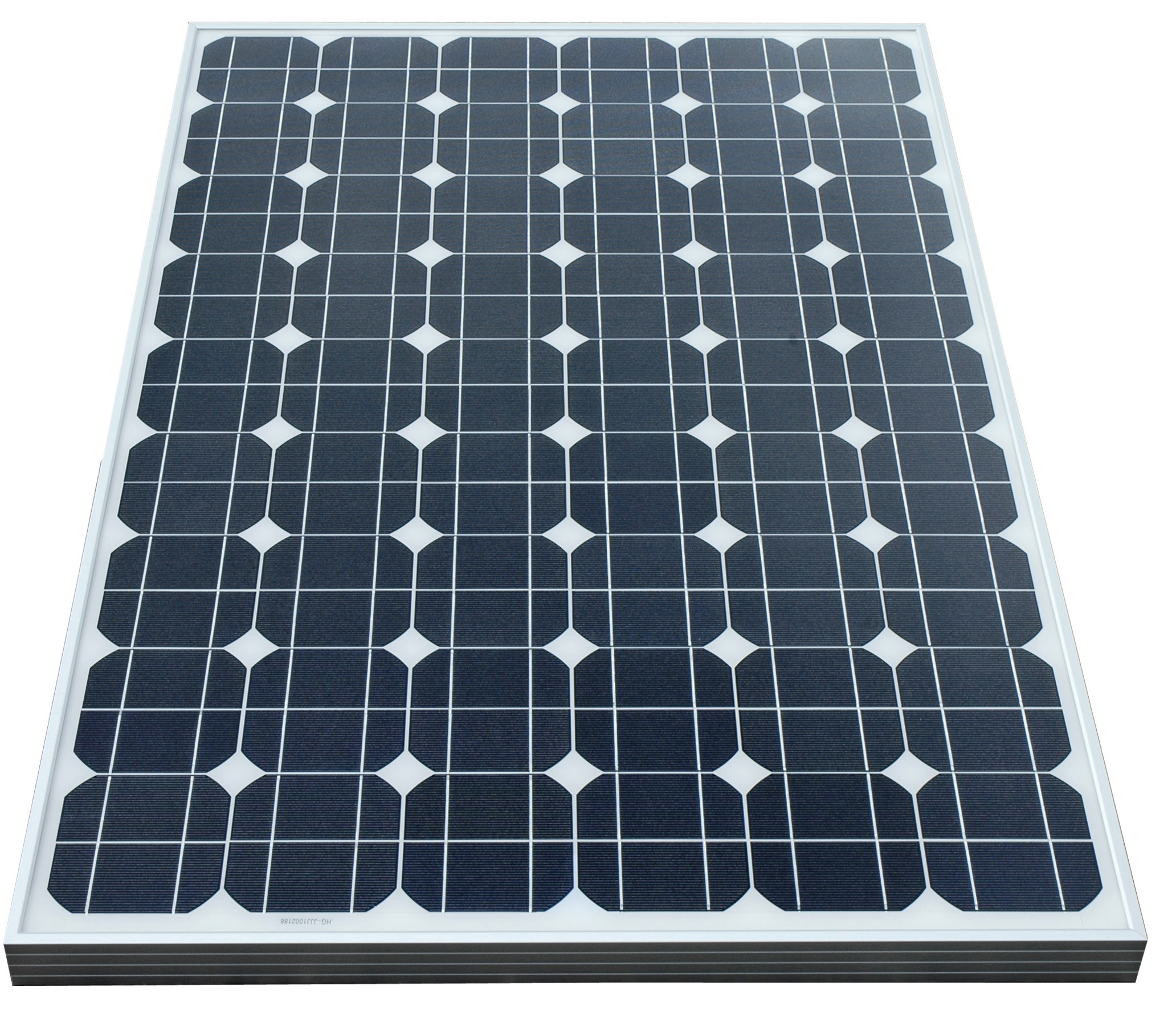
A Monocrystalline Panel
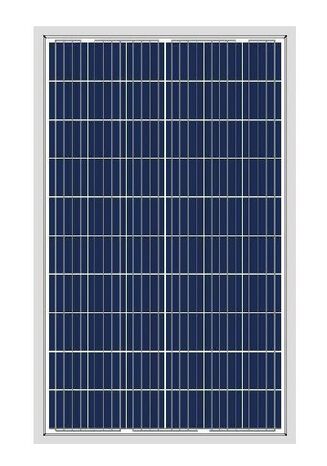
A Polycrystalline panel
When deciding on the best type of solar panels for your home, several factors should guide your decision:
Choosing the right type of solar panels is essential for ensuring that your solar panel installation maximises both your energy efficiency and savings. By considering factors like roof space, budget, and aesthetics, you can make an informed decision that suits your home and energy needs.
The efficiency rating of a solar panel is a critical factor in determining how much power it can generate from the available sunlight. Higher efficiency panels are designed to produce more power in less space, which is especially important for homeowners with a limited rooftop area. A solar panel with a higher efficiency rating will convert a greater percentage of sunlight into usable energy. This can lead to significant energy savings, as fewer panels are needed to meet your energy demands. When selecting panels for your home, be sure to look for those with high efficiency ratings to maximise the amount of power your system can generate.
Wattage refers to the amount of power each solar panel can generate under standard test conditions. Panels with higher wattage ratings will produce more electricity, making them an important consideration when designing your solar system. The wattage you choose should be based on your household’s energy needs, which you can assess by reviewing your average monthly electricity consumption. If you aim to offset a significant portion of your electricity costs or fully power your home, matching the wattage of your panels to your energy requirements is crucial. Additionally, selecting higher wattage panels can help you generate excess energy, which you can store in batteries or send back to the electricity grid, potentially earning you credits or offsetting costs.
Investing in higher efficiency panels can provide long-term benefits, including better performance and higher energy savings over time. While the initial cost may be higher, efficient solar panels tend to perform better in the long run, yielding more energy generation and saving more on your electricity bills. Their improved performance also means that they are more likely to withstand environmental factors, such as dust, dirt, and weather conditions, over the years. As the panels continue to produce more energy, they can reduce your reliance on the electricity grid and increase your energy independence. Ultimately, the investment in higher efficiency panels may offer significant savings in the long run, making them a wise choice for homeowners looking to make the most of their solar power system.
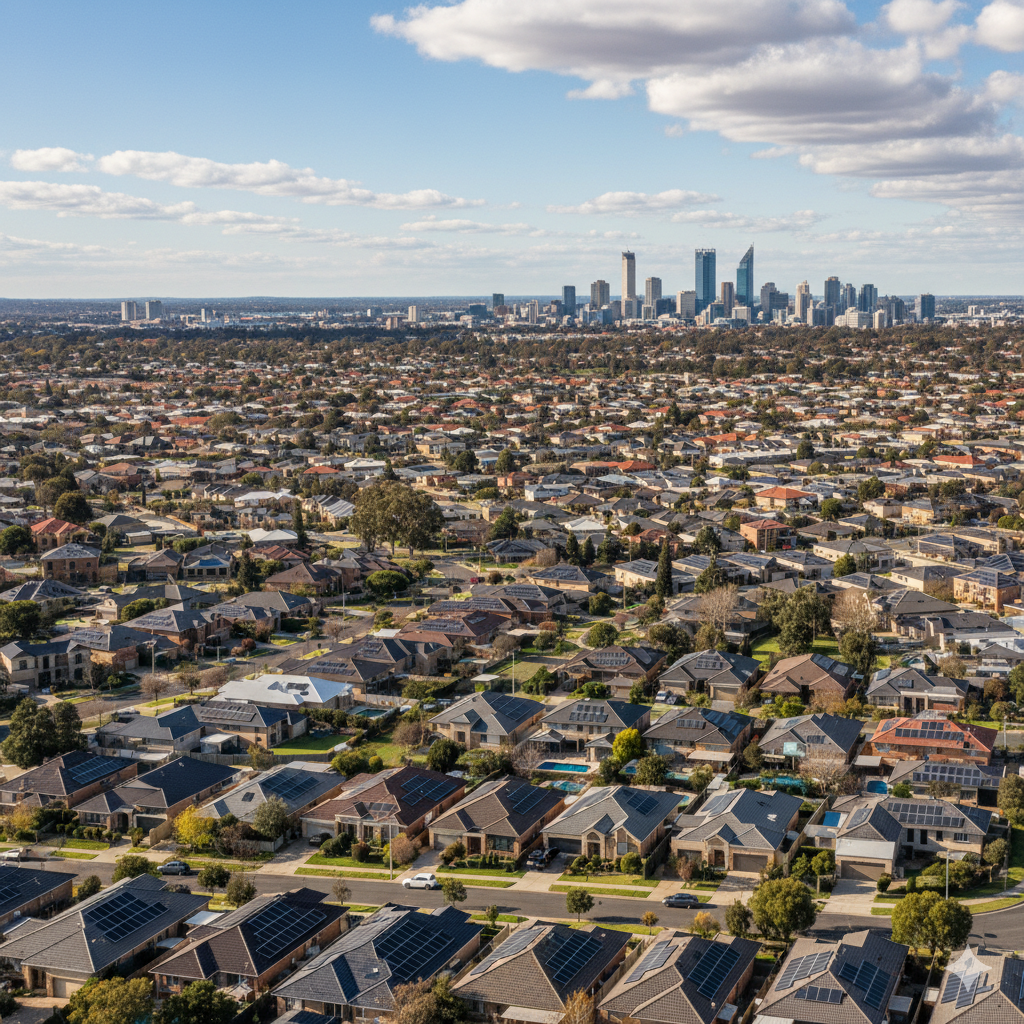
Typically, solar panels have an operational lifespan of around 25 to 30 years. However, it’s important to remember that not all solar panels are created equal. The quality of materials and manufacturing standards can significantly affect their lifespan. Efficient panels constructed from high-quality components will typically perform consistently for the full duration of their lifespan, providing homeowners with reliable energy and substantial savings. On the other hand, lower-quality panels might experience performance degradation much earlier, affecting overall energy production and potentially resulting in additional costs or early replacement.
When installing solar panels, understanding warranty coverage helps homeowners protect their investment. Solar panels usually come with two different warranty types:
Perth’s climate, characterised by intense sunshine, high summer temperatures, and occasional storms, makes durability especially critical when selecting solar panels. Panels must withstand exposure to intense UV rays, heat fluctuations, and occasional hail or windstorms. Choosing solar panels specifically designed or tested for Australian conditions ensures that your investment can reliably withstand these environmental challenges
When investing in solar panels, it’s essential to understand the initial investment required. The upfront cost includes not only purchasing the panels themselves but also the installation fees. Fortunately, Australian homeowners, including those in Perth, can significantly reduce this cost through government incentives such as Small Scale Technology Certificates (STCs). These certificates act as a solar rebate, lowering the overall cost based on how many solar panels you’re installing and their rated capacity.
The most appealing aspect of investing in solar power is the long-term savings. With rising electricity prices across Australia, solar panels provide a stable and predictable energy cost. Over the lifespan of your solar system, typically around 25–30 years, the savings on your electricity bills can easily surpass the initial investment. By generating your own power, you reduce dependency on the electricity grid, insulating your household from future rate increases.
Selecting the right solar system means balancing cost with quality. While it might be tempting to opt for the cheapest panels, investing in higher-quality, efficient solar panels typically pays off in greater long-term savings and reliability. Careful consideration of your energy needs, budget, and financing options ensures your solar investment delivers optimal financial and environmental returns for many years to come.
Choosing the right solar panels for your home goes beyond simply comparing upfront costs—it’s about finding the perfect balance between efficiency, durability, and value. By carefully assessing your energy usage and understanding the differences between panel types, you can confidently select a solar power system tailored to your specific needs. Efficient panels not only maximise your energy savings but also deliver consistent long-term performance, crucial in Perth’s harsh climate.
At Ford & Doonan Solar, we’re committed to helping Perth homeowners navigate this important decision with ease. Our expert team is ready to guide you through the process, offering personalised advice and solutions that match your goals and budget. Contact us today for a free consultation, and let us help you harness Perth’s abundant sunshine, reduce your energy costs, and contribute to a cleaner, greener future. Investing in the right solar panels is a decision that benefits your home, your wallet, and our environment—now and for many years to come.
Feel like you have excess solar energy going to waste? You’re not alone. Many Perth homeowners see their solar panels generating power during the day, only for it to disappear when the sun sets. That’s where solar energy storage comes in. By adding a battery, you can store that excess solar energy that is generated during the day and use it when you actually need it—at night. With so many solar batteries available in Perth, choosing the right one can be an important consideration when trying to slash your energy bills. In this article, let’s break down exactly how solar batteries work to store and use excess solar energy, and the benefits of a battery system when added to your existing solar panel setup in Perth.
A solar battery is a device that connects to your existing solar power system by storing the extra electricity your solar panels make during the day for use later on. Instead of returning excess electricity to the grid, the battery saves it for later, such as at night or during blackouts.
For Perth homeowners who want to lower their energy costs, a solar energy storage system will help. It works by the lithium-ion battery storing the excess energy created during the day, and using this at night when you’re running your lights, washing machine and dishwasher.
By adding a battery to your existing system, or new solar energy system, you can be sure that you’re making the most of your investment in solar and reduce your reliance on the energy grid at the same time.
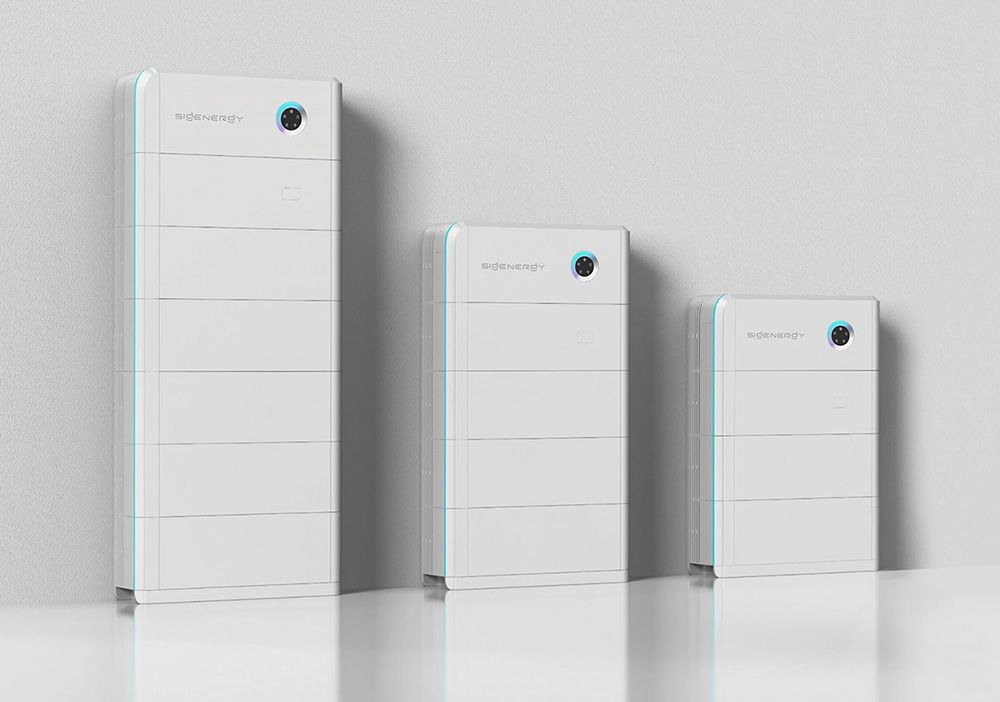
When your solar panels produce electricity during the day, your home uses what it needs first. Any extra power is either sent back to the grid or stored in a battery for later use. When a battery is involved, this process is referred to as solar battery storage. With a battery installed, you will be able to use more of your own electricity generated instead of relying on the grid.
The energy stored in the battery isn’t immediately usable in your home. That’s where a battery inverter comes in. It converts the stored DC (direct current) power into AC (alternating current) power, which is what your electrical appliances need. When the sun goes down or there’s a blackout, your home automatically switches to battery power.
Adding a battery to your solar energy system means you can use your solar power at night to reduce electricity bills, and have backup power when needed. This is particularly useful for those who work away from home and are concerned they won’t be able to see the real effects of their solar system.
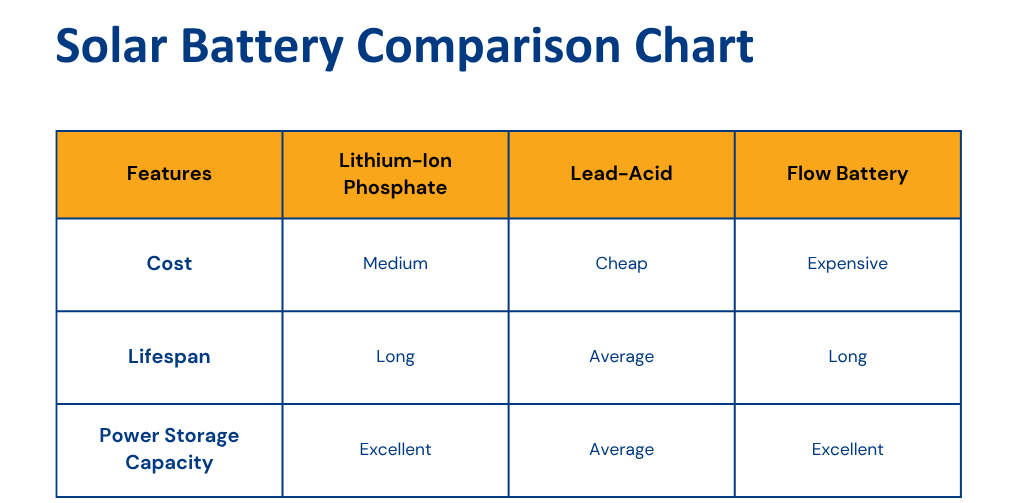
There are a variety of solar batteries available on the market, at a variety of price points. Some last longer, charge faster, or store more energy. The three main types are lithium-ion phosphate, lead-acid batteries, and flow batteries—each with its own strengths.
Think of lithium-ion phosphate batteries like the ones in your phone but built for solar. They charge quickly, last longer, and don’t need much maintenance. These batteries are the most popular for home solar because they provide reliable energy storage and can provide power backup during blackouts. In addition to this, their compact size makes a perfect battery backup solution for even the most compact of homes.
Used in cars for years, lead-acid batteries are the most affordable. However, they may not last as long as their more technology-advanced cousins. Best suited for off-grid solar PV systems, they allow for the electricity stored to be a reliable power source in the case of a power outage.
Flow batteries are like giant fuel tanks for energy. They hold large amounts of power and last a long time, but they’re bulky and expensive. Best suited for large-scale installations (think commercial solar), the chemical reaction means the battery’s capacity is greater than that of previously mentioned examples.
So, how do I choose the right battery? Well, it mainly comes down to budget, how reliant you wish to be for electricity from the grid and your average electricity usage patterns during the day and night.
A solar panel system produces energy during the day, but what happens when the sun goes down? That’s where batteries come in. Instead of sending excess solar production back to the grid, a battery stores it for use later.
During the day, your home can run on solar electricity while also charging the battery. At night, instead of solely relying on grid electricity, your solar battery system kicks in and can supply power to your home. A solar inverter converts the stored energy into usable electricity for your appliances.
There are three main ways to set up a battery system:
Stays connected to the grid for backup power but uses the battery first. A great option for those looking to reduce their carbon footprint whilst also retaining a connection to the electricity grid.
Completely independent, relying only on the battery and solar electricity for all power to your home. A great option for those located in remote parts of Western Australia, or those wishing to significantly reduce their carbon footprint.
A mix of both, using solar, battery, and the grid when needed. The system can switch between a variety of power supplies to reduce your electricity costs.
A battery makes your solar panel system more efficient, helping you save on bills and provide backup power when grid electricity is down.
Adding a solar battery to your home gives you energy independence. Instead of relying on grid electricity, which can be expensive and unreliable during peak demands in Summer, you can store excess power that your solar panels generated during the day and use it when you need it most. This means you will be less reliant on your local power supplier during blackouts or peak demand times.
One big benefit of solar batteries is blackout protection. When the grid goes down, your battery can keep your lights on, your fridge running, and your home powered until the power is back. This is especially useful in areas prone to outages.
Solar batteries also help you save money by shifting peak load. When electricity prices are higher, you can use the electricity that your solar panels create instead of buying grid electricity at peak times, saving you money on your bill.
Lastly, solar batteries are a great way of reducing your carbon footprint. A home solar system with a battery means you’re generating electricity during the day, and then using this excess electricity generated at night.

In the lead up to the 2025 election, the West Australian Labor Government have promised to make household solar batteries more accessible and affordable, by delivering rebates of up to $7,500. The goal is to get more homeowners to take up solar and battery home energy systems, instead of just solar or nothing at all.
There are a large quantity of solar batteries available. Before selecting a battery for your home solar system, it’s important to consider a few things. First, storage capacity and power rating are key. Selecting a solar battery that can store enough energy usage for your home’s needs is important, as something too small won’t be able to keep up, and something too large will mean a large initial capital purchase. Storage capacity tells you how much energy the battery can hold, while the power rating shows how much electricity it can supply at once.
Next, look at the battery lifespan and efficiency. A longer-lasting battery means fewer replacements and better long-term savings. Efficiency refers to how well the battery stores and releases energy. Higher efficiency means less wasted power and more savings, however is often priced at a premium.
Also, consider the depth of discharge. This refers to how much of the battery’s energy can be safely used before it needs to be recharged. A higher depth of discharge means you can use more of the stored energy.
Lastly, think about pairing solar with your existing solar system. Ensure the battery is compatible with your current solar setup, including your home energy storage system. A compatible battery will work seamlessly with your panels and provide the best performance for your needs.
Solar batteries are a smart way to maximise the benefits of your solar PV system. Whether you’re looking for energy independence, blackout protection, or simply want to save on your energy bills, solar battery storage provides a reliable solution.
When choosing a solar battery, consider factors like storage capacity, battery lifespan, efficiency, and compatibility with your existing system. With the right battery, you can make the most of your solar energy, reduce your reliance on Western Power, and cut down on your electricity costs while protecting the environment.
If you’re looking for solar panels, solar inverters or a solar battery system, look no further than Ford & Doonan Solar.